How Laser Dentistry Improves Comfort and Healing Time
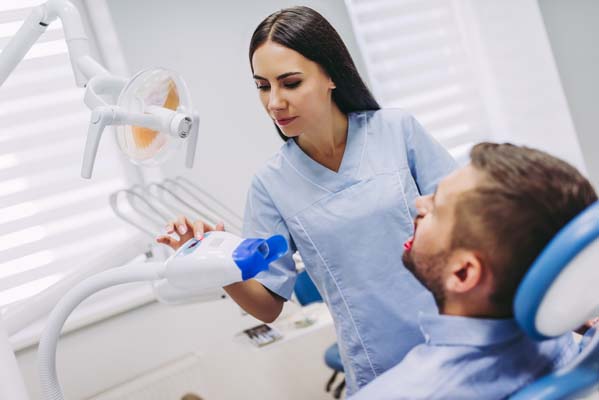
Laser dentistry has revolutionized modern dental care, offering patients a more comfortable and efficient experience than traditional methods. Laser dentistry uses focused light energy, allowing dentists to perform various procedures with increased precision, reduced discomfort, and faster healing times. As this technology advances, it becomes an increasingly popular choice for routine treatments and more complex dental procedures.
What is laser dentistry?
Laser dentistry involves using specialized dental lasers to treat various dental conditions. These lasers emit a focused beam of light that can target specific tissue areas, whether soft tissue, such as gums, or hard tissue, such as teeth. By using lasers, dentists can perform various tasks, including cavity treatment, gum reshaping, teeth whitening, and the treatment of oral lesions, with greater accuracy and minimal discomfort.
Laser dentistry has gained popularity for its ability to minimize pain, reduce the need for anesthesia, and shorten recovery times while achieving highly effective results. The precision of the laser allows targeted treatment without damaging the surrounding tissue, improving both comfort and healing outcomes.
Laser dentistry offers improved comfort during procedures
One of the most significant benefits of laser dentistry is its improved comfort during procedures. Traditional dental treatments often require drills, scalpels, or other tools that cause vibrations, heat, and pressure, which may lead to discomfort. In contrast, lasers operate with minimal physical contact, reducing the sensation of pain or discomfort.
Dental lasers can remove or reshape tissue with minimal bleeding and no sutures required in soft tissue procedures. The laser's heat seals blood vessels as it works, resulting in less bleeding during and after the procedure. This reduction in bleeding contributes to a more comfortable treatment experience and may lead to fewer post-treatment complications.
In hard tissue procedures, such as cavity removal, the laser can be more precise than traditional drills. It removes decayed material without the vibration or pressure typically associated with dental drilling. This precision minimizes discomfort, reduces the need for anesthesia, and helps patients feel more relaxed during treatment.
Laser dentistry reduces the need for anesthesia
In many traditional dental treatments, local anesthesia is necessary to numb the area being worked on, which can temporarily cause numbness and discomfort after the procedure. However, laser dentistry often eliminates or reduces the need for anesthesia in many cases. Since the laser can target tissue precisely, it can often treat areas without causing significant discomfort, meaning less reliance on numbing agents.
The ability to perform dental procedures with less or no anesthesia is particularly beneficial for patients who experience dental anxiety or fear of needles. By reducing the need for injections or the prolonged numbness that follows, laser dentistry helps ease anxiety and create a more comfortable overall experience.
Laser dentistry offers faster healing times
Another key advantage of laser dentistry is its ability to reduce healing times significantly. When dentists use lasers, they cauterize tissue as they work, which minimizes bleeding and reduces the risk of infection. This ability to promote faster clotting and healing helps the tissues recover more quickly, resulting in a shorter recovery period after dental procedures.
In soft tissue treatments, such as gum reshaping or removing lesions, laser dentistry helps to stimulate tissue regeneration, leading to a faster healing process. Since lasers are less invasive than traditional methods, the surrounding healthy tissue remains unharmed, promoting a faster and more efficient recovery.
Similarly, in hard tissue procedures, such as cavity treatment, the precision of the laser allows for less disruption to the surrounding tooth structure, which also contributes to quicker recovery times. The laser's ability to target only the decayed tissue without affecting the healthy parts of the tooth reduces trauma and encourages faster healing.
Laser dentistry offers less post-operative discomfort
Laser dentistry often results in less post-operative discomfort than traditional methods. In many cases, patients experience little to no discomfort following laser treatments. Since lasers do not require the same level of tissue disruption as conventional dental tools, there is typically less swelling, bruising, or soreness after the procedure.
Laser dentistry reduces the need for stitches for soft tissue procedures, which often require additional healing time. In hard tissue treatments, the precision of the laser minimizes damage to surrounding tissue, reducing the likelihood of irritation or discomfort. This reduction in post-operative discomfort can lead to a faster return to normal activities and a better overall experience for a patient.
Learn more about laser dentistry at Upland Dental Group And Implant Center
Laser dentistry is transforming the dental experience by offering patients improved comfort, reduced need for anesthesia, and faster healing times. Whether used for routine or corrective procedures, laser dentistry can help. Contact Upland Dental Group And Implant Center if you wish to learn more about this type of dentistry.
Request an appointment here: https://www.uplanddentalgroup.com or call Upland Dental Group And Implant Center at (909) 660-6080 for an appointment in our Upland office.
Check out what others are saying about our dental services on Yelp: Laser Dentistry in Upland, CA.
Related Posts
Dental crowns are a common restorative treatment used in general dentistry. They can restore severely damaged teeth, saving patients from the pain, time, and cost of extraction and replacement. Further, crowns come in a variety of safe, biocompatible materials. Exploring the facts about dental crowns can make you feel more confident in getting one.Dental crowns…
Dental crowns are one of the most effective restorative solutions for cracked or fractured teeth. These custom-fitted caps strengthen damaged teeth, restore normal function, and protect against further complications. Dental crowns offer a reliable and long-term option to preserve the natural tooth structure and maintain a healthy smile when a tooth is compromised due to…
Choosing a general dentist for family dental care gives your household one consistent place for checkups and long-term support. When everyone visits the same office, scheduling often becomes easier, records stay in one place, and care feels more organized. A general dentist can also get to know your family’s dental history and track changes over…
All-On-4® dental implants provide a comprehensive way to replace a full set of teeth using a fixed bridge that stays securely in the mouth at all times. This method serves as a permanent alternative to traditional removable dentures. Understanding the criteria for candidacy, the factors influencing the total investment, and the stages of the healing…