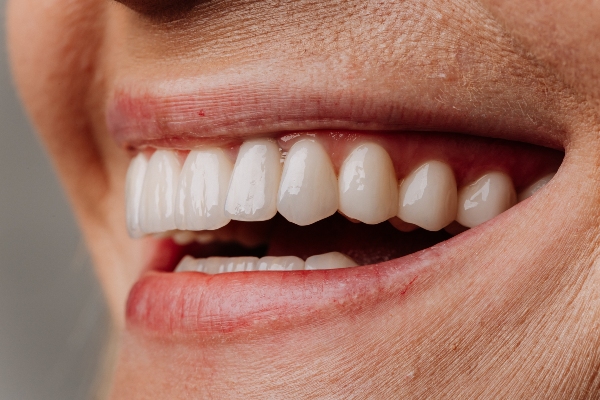
 A dental crown often gains attention for its ability to create a beautiful smile, but its true value extends far beyond appearance. This restoration reinforces weakened teeth and chewing function while preserving overall oral health when placed thoughtfully by a general dentist. Understanding the restorative role of crowns helps patients appreciate their long-term benefits and recognize when they become necessary parts of a comprehensive care plan.
Protecting and strengthening damaged teeth
Fractured, worn, or extensively decayed teeth lose their natural ability to withstand daily biting forces. Without full coverage, these compromised teeth risk further breakage or painful nerve exposure. A dental crown acts as a protective cap, distributing pressure evenly across its surface and shielding underlying structures. This coverage allows patients to chew comfortably and prevents small issues from escalating into serious dental emergencies.
Restoring teeth after root canal therapy
Root canal therapy removes a tooth's inner nerve and blood supply. While the procedure saves the tooth from extraction, it also leaves it more brittle and prone to fracture. A general dentist recommends covering treated teeth with a dental crown to reinforce their strength and seal the access point. The crown restores both function and appearance while greatly extending the lifespan of the treated tooth.
Correcting bite alignment and occlusal balance
Dental crowns are critical in achieving and maintaining proper bite alignment. Missing or broken teeth create gaps that neighboring teeth often shift to fill, leading to uneven forces on the jaw joints and muscles. A dental crown restores ideal tooth height and contact relationships, ensuring smooth and efficient chewing movements. Balanced occlusion not only prevents jaw strain but also protects natural teeth from uneven wear and fractures.
Preserving oral health and preventing tooth loss
Leaving a severely weakened tooth unaddressed can cause it to break below the gumline, often causing discomfort and requiring extraction. Loss of a single tooth initiates a chain reaction, allowing other teeth to drift and bone tissue to deteriorate. Placing a dental crown helps retain the natural tooth root, which continues to stimulate surrounding bone and maintain facial structure. Preserving natural teeth remains a fundamental goal in general dentistry, and dental crowns are vital tools to achieve it.
Improving confidence through functional aesthetics
While function remains the primary reason for crown placement, aesthetic considerations still matter. A chipped, discolored, or misshapen tooth affects speech, chewing, and even self-esteem. Modern materials such as porcelain, ceramic, and zirconia allow dental crowns to mimic the translucency and shading of natural enamel. A general dentist blends artistry with science to ensure each dental crown provides strength without sacrificing the beauty of a natural-looking smile.
Schedule an appointment
Dental crowns represent more than cosmetic enhancements; they are essential restorations that protect, strengthen, and preserve natural teeth. Whether rebuilding a fractured molar, sealing a root canal-treated tooth, or restoring occlusal harmony, each dental crown supports both immediate function and long-term oral health. If you have a vulnerable tooth, contact our office to schedule an appointment. We can help determine if dental crowns are the most effective solution for your needs.
Request an appointment or call Upland Dental Group And Implant Center at 909-660-6080 for an appointment in our Upland office.
Related Posts
Dental crowns are important in modern dentistry because they protect and support weak or damaged teeth. General dentists often suggest using crowns for damaged teeth that fillings cannot address. Whether due to decay, trauma, or structural issues, crowns help restore the tooth's function and appearance. They also prevent further damage to your smile and oral…
Dental crowns are custom-made caps placed over damaged or weakened teeth to restore strength, appearance, and function. General dentists often recommend dental crowns to prevent further deterioration of a damaged tooth and improve the patient's oral health. It is important to recognize when you may need a dental crown, get the treatment you need on…
Dental crowns can restore severely damaged teeth so that you can smile with confidence. Beyond aesthetics, they also reinforce the bite in strength and function. If you think you need a dental crown or are recommended one after a root canal, learning the step-by-step process of getting one can help you feel at ease.General dentists…