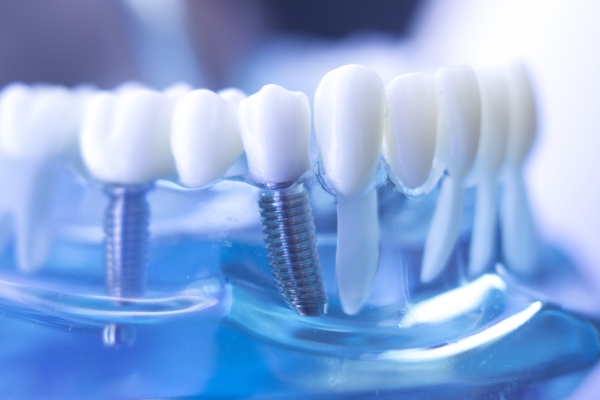
 Dental implants are an effective replacement for missing and damaged teeth. There are, however, some factors that may cause implants to fail. If you have noticed the signs of failing implants — such as severe pain, trouble chewing, and gum inflammation — it is important to consult a dentist to curb the problem. This article covers how to fix dental implant failure and prevent it from happening again.
Find the underlying cause of dental implant failure
Identifying what caused the patient’s implants to fail is the first step in treatment. A dentist will evaluate the implants and surrounding gum tissue to identify the underlying cause. Failing implants can often be repaired. In some cases, a failed implant will need to be removed completely.
Early dental implant failure
Early implant failure occurs during the first few months after the procedure. Causes of early failure include gum disease, infection, and implant micro-movements or migrations (when the implant moves out of place). An allergic reaction to titanium alloy can also cause implants to fail.
Poor osseointegration is another common cause of implant failure. Osseointegration is the process in which the jawbone grows around and fuses with the dental implants. This allows the implants to function like natural teeth. However, slow and improper healing can get in the way of osseointegration, which may cause implants to fail due to a lack of bone support.
Late dental implant failure
There are cases in which implants fail years after the initial procedure. Late dental implant failure is often caused by the following:
- Tissue or nerve damage from improper implant placement.
- Injury to the gums or other areas around the implant.
- Foreign body rejection (i.e., the body rejects the implant).
It is possible to save these failed implants with proper and prompt treatment.
Repair or replace the dental implant
The dentist will either repair or replace the failed implants after determining the cause. For example, suppose the underlying issue is gum disease around the implants (peri-implantitis). In that case, the dentist will focus on clearing out any infection and stimulating gum growth around the implants. In addition, the dentist may recommend bone grafts to patients who have experienced bone loss due to implant failure.
If needed, the failed dental implant may be replaced. Patients typically opt to replace their failed dental implants with new implants. However, there are other options if the patient wishes to move away from implants. Dentures are a common alternative.
Take time to recover after implant failure
Be diligent with the recovery process. Rushing this stage can result in improper healing, putting the patient at risk for recurring implant failure. Follow the dentist’s postoperative instructions regarding dental hygiene and how to transition back to eating regular food. Make sure to return for follow-up dental appointments. It is also good practice to quit smoking and only drink alcohol in moderation. After the implants have healed, return to the dentist every six months so they can monitor the implants.
Consult our dentist today
Although dental implants are known for their permanence and high success rate, they can fail due to gum disease, infection, improper healing, and implant migration. Therefore, patients should watch out for the early signs of implant failure; like anything, it is generally easier to treat failing dental implants early on. Call our office to learn more about how to fix failing implants.
Request an appointment or call Upland Dental Group And Implant Center at 909-660-6080 for an appointment in our Upland office.
Related Posts
A dental implant procedure is a structured, multi-stage process that replaces missing teeth with a stable, long-lasting solution. If you are exploring tooth replacement options, you may be curious about what this process is like from start to finish. Having a thorough understanding of each phase helps set realistic expectations and reduce uncertainty about the…
Selecting an effective way to replace missing teeth can be a significant decision, and dental implants often offer a dependable solution that restores both function and appearance. These specialized fixtures fuse with the jawbone to form a solid foundation for replacement teeth. However, it is important to note that not everyone automatically qualifies for this…
Dental implants can permanently replace teeth and maintain a natural appearance. Unlike traditional dentures or bridges, implants integrate with the jawbone, offering stability, functionality, and longevity. However, proper care is needed to ensure their success and prevent complications. Following the best practices for implant care can help maintain oral health and extend the restoration's lifespan.Dental…