 Dental implants provide a long-term solution for missing teeth, offering functional and aesthetic benefits. Designed to mimic natural teeth, they help restore the ability to chew, speak, and smile with confidence. The process of receiving dental implants involves multiple stages, each essential for ensuring a successful and lasting outcome. Understanding what to expect can help patients feel more prepared for treatment.
Initial consultation and planning
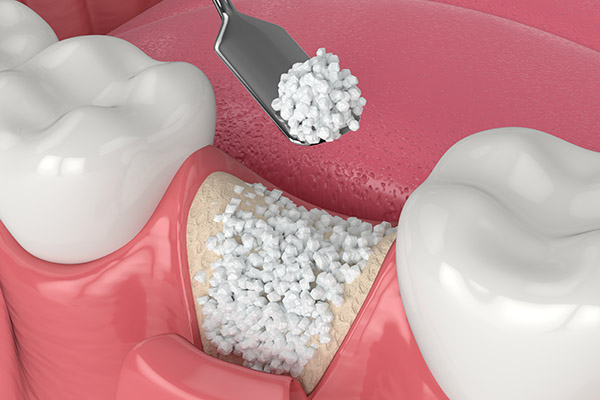
Before undergoing the implant procedure, a comprehensive dental evaluation is necessary. This includes reviewing medical history, taking digital images or 3D scans, and assessing bone density. The dentist will determine whether additional procedures, such as bone grafting or sinus augmentation, are required to create a stable foundation for the implant. Treatment plans are customized based on individual needs to ensure optimal results.
Dental implant placement
Placing dental implants requires a surgical procedure performed under local anesthesia. The process involves the following steps:
- 1. Incision and preparation: The dentist makes a small incision in the gum tissue to expose the underlying bone.
- 2. Implant placement: The dentist inserts a small titanium post into the jawbone. This post will act as an artificial tooth root.
- 3. Healing period: The implant integrates with the bone through a healing process called osseointegration. Depending on the patient, this can take several months.
During the healing phase, the dentist may place a temporary restoration on the treated area to maintain the patient's function and appearance. They will need to take proper care of the area while it heals to support successful integration.
Abutment and crown placement
Once the implant fuses with the bone, the next stage involves the dentist placing the abutment. The abutment connects the implant to the final restoration, such as a crown, bridge, or fixed denture. The dentist may place a temporary healing cap around the abutment to let the gum tissue heal properly. After the gum tissue has healed, the dentist will attach the restoration to complete the tooth replacement process.
Recovery and aftercare
The recovery timeline varies depending on the complexity of the procedure and each patient's response to the healing process. They should follow post-operative care guidelines, including:
- Avoiding hard or chewy foods that may put pressure on the implant site
- Maintaining proper oral hygiene to prevent infection and support healing
- Being aware of potential complications like infection and implant failure
- Attending follow-up appointments to monitor the implant’s progress
Most patients experience minimal discomfort. Fortunately, they can manage it with over-the-counter pain relievers. However, in some cases, the dentist may prescribe pain relievers and antibiotics. Swelling and minor bleeding are common but typically subside within a few days.
Schedule a consultation at our Upland office
Understanding the dental implant process can help you make informed choices about your oral health. With the right care and maintenance, implants can effectively replace missing teeth and improve the confidence you have in your smile. Do you have questions for the Upland Dental Group And Implant Center team? Call our Upland office to learn more or to schedule a consultation.
Request an appointment or call Upland Dental Group And Implant Center at 909-660-6080 for an appointment in our Upland office.
Related Posts
Selecting an effective way to replace missing teeth can be a significant decision, and dental implants often offer a dependable solution that restores both function and appearance. These specialized fixtures fuse with the jawbone to form a solid foundation for replacement teeth. However, it is important to note that not everyone automatically qualifies for this…
Dental implants can permanently replace teeth and maintain a natural appearance. Unlike traditional dentures or bridges, implants integrate with the jawbone, offering stability, functionality, and longevity. However, proper care is needed to ensure their success and prevent complications. Following the best practices for implant care can help maintain oral health and extend the restoration's lifespan.Dental…
Tooth loss affects many people, but dental implants provide a reliable and lasting solution. Unlike other options, implants replace missing teeth in a way that looks and feels natural. They improve oral health, restore function, and enhance appearance. Understanding why implants are the preferred choice can help you make the best decision for your smile.Designed…